2026 New Year Disco Ball Graphics & T-Shirt Designs
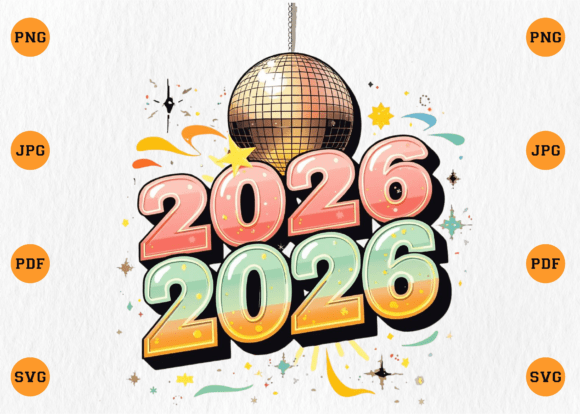
As a digital publisher and blog designer, my first interaction with any new asset is a critical stress test. When I unzipped the 2026 New Year Disco Ball Design SVG, I wasn't just looking for a festive clip art; I was evaluating a potential cornerstone for an entire seasonal content strategy. The immediate impression is one of high-energy nostalgia blended with futuristic optimism. This isn't a static, flat illustration; it carries a distinct editorial mood that feels simultaneously playful and polished. For content creators in the lifestyle, party planning, fashion, or personal development niches, this graphic design asset signals celebration without sacrificing professional credibility. It avoids the cheap aesthetic often associated with holiday stock vectors, offering instead a clean, modern design language that supports sophisticated visual communication.
Editorial Mood and Reader Perception
The visual weight of this disco ball graphic creates an instant emotional hook. In web design and editorial layouts, we often struggle to balance festivity with readability. This asset succeeds because its geometry provides structure. The spherical shape acts as a natural focal point, guiding the eye toward headlines or call-to-action buttons. From a reader trust perspective, the crisp lines and balanced composition suggest that the content behind it is equally well-curated. It feels feminine yet bold, artistic yet accessible. Whether you are running a newsletter about goal setting for 2026 or a blog post about NYE outfit inspiration, this graphic establishes a tone of elevated excitement. It tells the audience that your platform understands current trends while maintaining high production standards.
Deploying the Asset Across Publishing Workflows
Versatility is the primary metric I use when reviewing design assets for real-world application. The 2026 New Year Disco Ball Design SVG shines in multi-format publishing environments. Because the download includes high-resolution JPG and PNG files at 4500×5400 pixels (300 dpi), alongside vector SVG and PDF formats, it bridges the gap between digital and physical media seamlessly.
- Blog Featured Images: Use the PNG version as a base layer in Canva or Photoshop. Overlay white sans-serif typography for a modern, clickable thumbnail that stands out in crowded RSS feeds.
- Pinterest Pins: The vertical-friendly aspect ratio makes this ideal for Pinterest graphics. Place the disco ball in the upper third to create negative space for compelling hooks like "2026 Vision Board Guide" or "NYE Party Checklist."
- Digital Products & Lead Magnets: Utilize the SVG file to create scalable covers for eBooks, worksheets, or digital guides. The vector format ensures text remains sharp regardless of screen size, which is crucial for mobile-first readers consuming PDFs.
- Newsletter Headers: Crop the top portion of the design to create a wide banner. This adds seasonal relevance to email marketing campaigns without overwhelming the inbox preview pane.
- Merchandise Integration: Since this asset originates from T-Shirt Designs intended for POD sites, it is inherently optimized for commercial products. Affiliate marketers can feature the graphic on mockups for mugs, pillows, or bags directly within blog posts, creating a cohesive visual bridge between content and commerce.
Impact on Content Performance Metrics
Visual hierarchy directly influences click-through rates (CTR) and time-on-page. A generic stock photo often leads to banner blindness, but a stylized graphic like this disco ball disrupts scrolling patterns. By integrating this asset into your brand identity, you create consistent visual cues that help regular readers instantly recognize your content across social media platforms and search results. Stronger visual identity correlates with improved reader retention; when a site looks intentional, users assume the information is authoritative. Furthermore, using a unique graphic design asset reduces bounce rates by making article headers more engaging than standard text-only introductions. For affiliate marketing pages, the professional sheen of this design helps legitimize product recommendations, moving them away from spammy aesthetics toward trusted editorial endorsements.
Strategic Placement for Maximum Engagement
Knowing where to place this asset is as important as having it. Based on my testing within various CMS themes and page builders, the 2026 New Year Disco Ball Design SVG performs exceptionally well in specific zones:
- Hero Sections: As a central element in above-the-fold website headers, paired with a dark background to make the reflective details pop.
- Content Upgrades: Embedded within articles as a visual marker for downloadable resources or checklists.
- Category Archives: Used as a thumbnail overlay for "Events," "Lifestyle," or "Celebration" categories to unify archive pages visually.
- Social Media Previews: Specifically formatted for Instagram Stories and TikTok backgrounds where vertical resolution matters.
Navigating Visual Limitations and Constraints
No single asset works everywhere. As a publisher, you must exercise restraint. Avoid using this highly detailed graphic in small mobile thumbnails where the intricate facets of the disco ball may blur into noise. It also struggles against busy, textured backgrounds; it requires solid color fields or subtle gradients to maintain clarity. Publishers in strictly corporate, legal, or somber professional niches should use this carefully, perhaps limiting it to internal team celebrations rather than client-facing landing pages. Additionally, if your blog layout is already text-heavy with multiple sidebar widgets, adding this ornate graphic might increase cognitive load. In such cases, opt for the simplified SVG outline version or increase whitespace significantly around the image to preserve editorial breathing room.
Publisher’s Technical Checklist and Licensing Notes
Before pushing this 2026 New Year Disco Ball Design SVG to a live production site, run through this practical quality assurance workflow. First, test contrast ratios. If placing white text over the graphic, ensure there is a sufficient overlay or shadow to meet WCAG accessibility standards. Second, verify file performance. While the 4500×5400 source files are excellent for print, they are too large for web use. Always compress the JPG/PNG versions to under 200KB for blog graphics to prevent slow loading speeds that hurt SEO. Third, experiment with typography pairings. This design pairs beautifully with bold display fonts for headlines and clean serif fonts for body copy, but clashes with overly decorative script fonts that compete with the ball's detail.
Finally, confirm your commercial license. The product description indicates suitability for POD sites like T-Shirts, Mugs, Pillows, Bags, and Poster Cards. However, always review the specific terms regarding digital redistribution versus physical end-products. If you plan to include the raw SVG in a Canva template for sale or as part of a paid digital download bundle, ensure your license tier permits this. Proper licensing protects your business and respects the creator's intellectual property. When used correctly, this asset is more than just decoration; it is a functional tool for building a vibrant, profitable, and visually cohesive digital publishing presence for the upcoming year.